
This month in our Legal Aspects of Media course we learned quite a bit about the laws and regulations that affect communications and the media industry. It has been really helpful for me to better understand the concepts discussed in the course. Some of theses concepts I had a general familiarity with, like freedom of speech. But, through the course materials we took a closer look at how laws dealing with each concept relate directly to real-world situations. I think learning how to analyze a case study and pull critical information from the text has been a great practice. I can see this being valuable to me as someone who wants to cover environmental concerns and public policy regarding natural resources and wildlife. Understanding how to read through cases and court documents to pull out the necessary information to report on will be extremely beneficial to the efficacy of my work.
What was your favorite assignment in this course? Please explain.
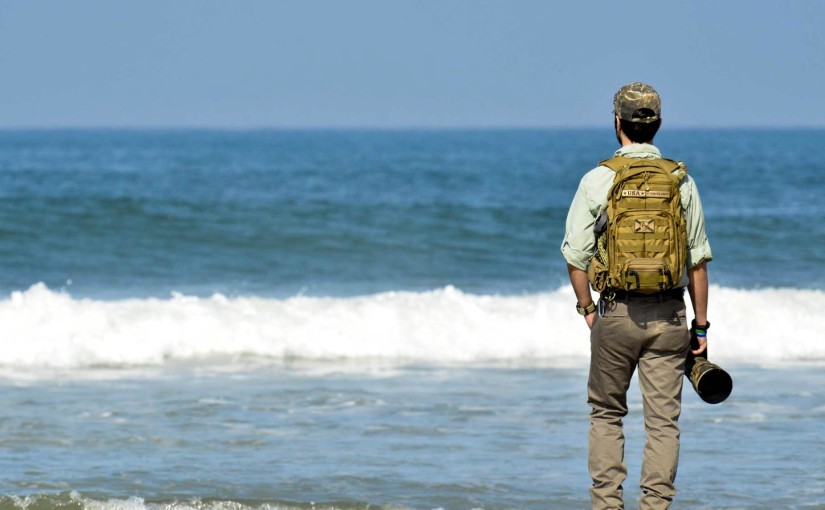
My favorite assignment for this course was finalizing the article about an event I attended in the third week. As someone who loves the outdoors, especially when observing wildlife, I was thrilled to find an event close to my home led by the Audubon Society to look for birds in Malibu Creek State Park. I got to walk the trails, look for elusive animals, and take photos of the species we found. This is pretty much what I do in my spare time anyway. So, to have a great excuse to turn the activity into an assignment was perfect. We had fantastic weather and saw some interesting birds. I was able to get some awesome photos and incorporate them into my article. It was a fun experience.
Of the course topics covered this month, which one(s) do you think will be most helpful to you as a communications professional?
I believe learning how to fill out a FOIA request properly will be helpful to me. A lot of times, environmental issues and concerns are directly related to public policy and government action or inaction. Being able to pull the essential documents and build a case or story around them should be extremely helpful for my reporting.
How will the knowledge you acquired this month prepare you to handle potential legal issues in the communications industry?
I am definitely more aware of where the boundaries are regarding free speech, copyrights, defamation, and other topics we learned this month. I feel much better prepared to effectively produce content without violating those boundaries, and if someone does come after me with a lawsuit, I feel well equipped to defend my work if necessary. I know how important it is to comply with these laws. There are steep consequences for those who break them. Freedom of speech and press is an incredibly powerful right we have in the United States. So, fully knowing how the protections work and how they apply specifically to my work is imperative.


 Rick Evans' - Mastery Journal